- OPD Lifecare Hospital, Sion-Bandra Link Rd, Dharavi
- +91 9969645479
- kshri1991@gmail.com

Expertise
Minimally Invasive Orthopedic Surgery
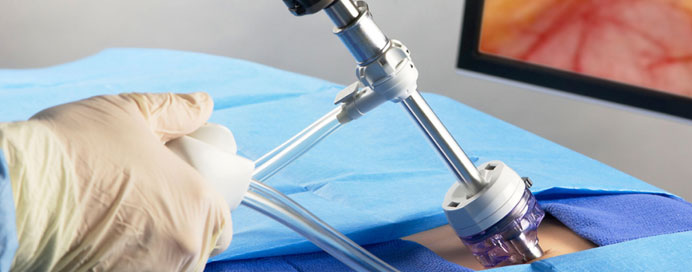
Minimally invasive orthopedic surgery focuses on performing procedures through very small incisions using advanced instruments and camera-guided techniques. This modern approach reduces tissue damage, minimizes blood loss, and speeds up recovery compared to traditional open surgery. It is commonly used for joint replacements, spine procedures, fracture fixation, and ligament repairs. Patients experience less pain, shorter hospital stays, quicker rehabilitation, and improved overall outcomes, allowing them to return to normal activities much faster.
- Smaller Incisions & Less Tissue Damage – Uses tiny cuts with precise instruments, reducing trauma to muscles and soft tissues for a faster and smoother recovery.
- Faster Healing & Early Mobility – Minimal disruption to surrounding structures allows patients to walk sooner, return home earlier, and regain function more quickly.
- Reduced Pain & Lower Complication Risk – Techniques that minimize swelling, bleeding, and postoperative pain, lowering the chances of infection or long-term discomfort.
- Advanced Camera-Guided Precision – High-definition arthroscopy and endoscopic tools enable accurate visualization of joints and spine, ensuring highly precise surgical results.
- Ideal for Multiple Orthopedic Conditions – Commonly used for knee and hip replacement, spine decompression, ligament repair, cartilage treatment, and fracture fixation with excellent long-term outcomes.